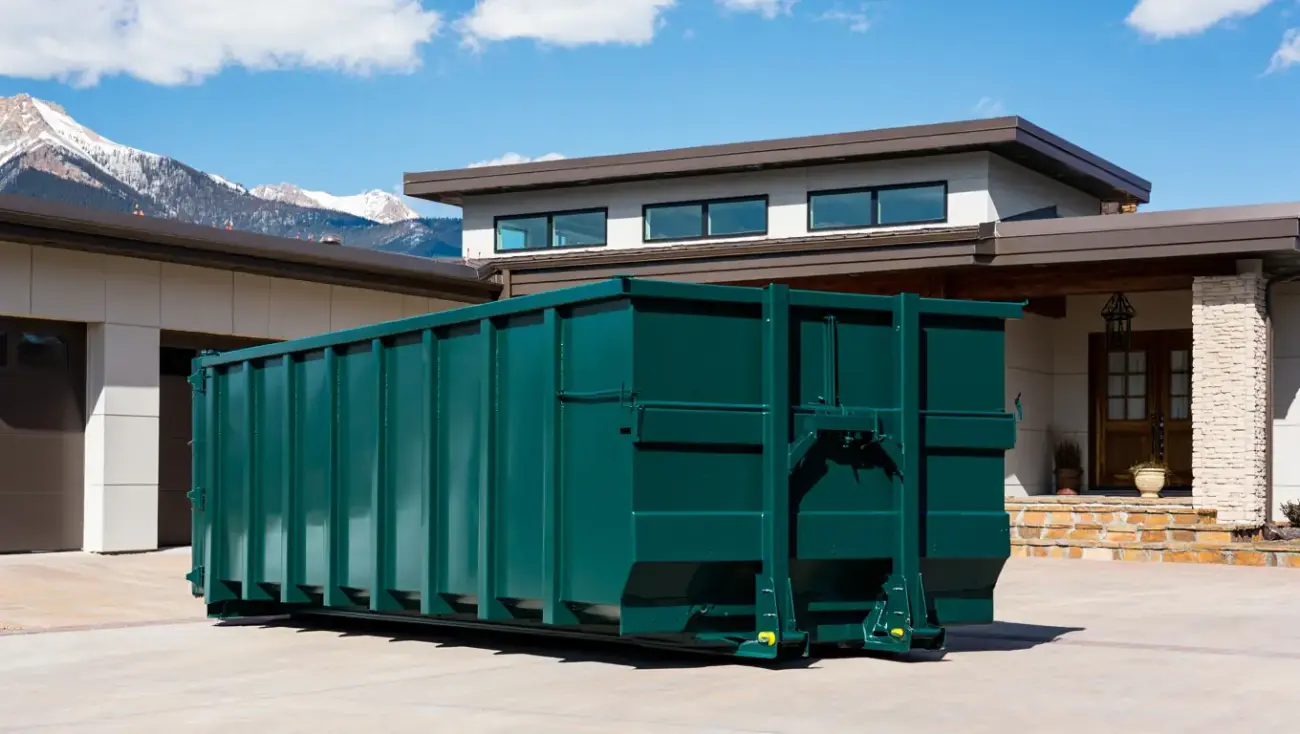
Renovations and major cleanups often hit a wall not during the demolition, but when the sheer volume of debris creates a logistical nightmare and potential legal liability. Securing a reliable Dumpster Rental Colorado service immediately transforms this chaos into a managed workflow, preventing costly project delays that plague unprepared homeowners. With local landfill regulations and disposal fees shifting rapidly, failing to understand permit requirements or weight limits can unexpectedly double your waste management budget. Mastering these rental logistics ensures a smooth, cost-effective project that adheres to strict environmental standards, and a downloadable checklist at the end will help keep your site compliant.
Why Choose Dumpster Rental in Colorado
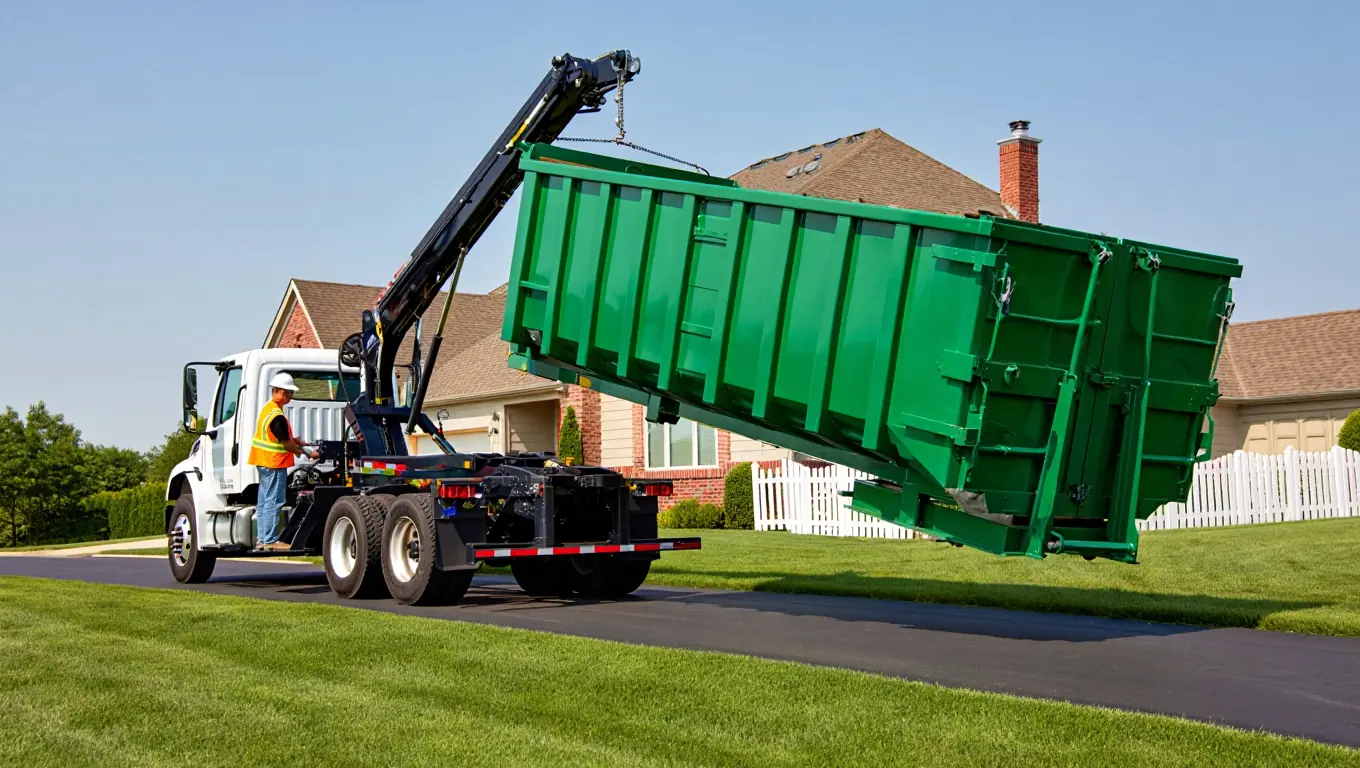
The Centennial State presents a unique set of challenges and opportunities regarding waste management. The diverse geography, ranging from dense urban centers like Denver to sprawling rural properties in the mountains, means that disposal needs vary drastically. Choosing a Dumpster Rental Colorado provider allows homeowners and contractors to bypass the limitations of municipal trash pickup, which often refuses construction debris or large furniture.
Benefits of Renting a Dumpster
The primary advantage of securing a container is efficiency. Instead of pausing work to drive to a transfer station, project managers can maintain a continuous workflow. Having a designated bin on-site improves safety by keeping the work area clear of tripping hazards like loose boards, nails, and drywall chunks.
The Convenience Factor
Time is a non-renewable resource during a renovation. If a homeowner spends three hours every Saturday hauling debris, that is time stolen from the actual project. A roll-off container sits on the property for the duration of the work, allowing for immediate disposal. This “toss-and-go” capability keeps the momentum high and the site clean.
Legal Compliance and Peace of Mind
Colorado has strict environmental protection laws. Reputable haulers understand exactly what can go into a landfill and what must be diverted. By using a professional service, the liability for proper disposal shifts from the homeowner to the provider, ensuring compliance with state regulations.
Environmental Impact and Sustainability
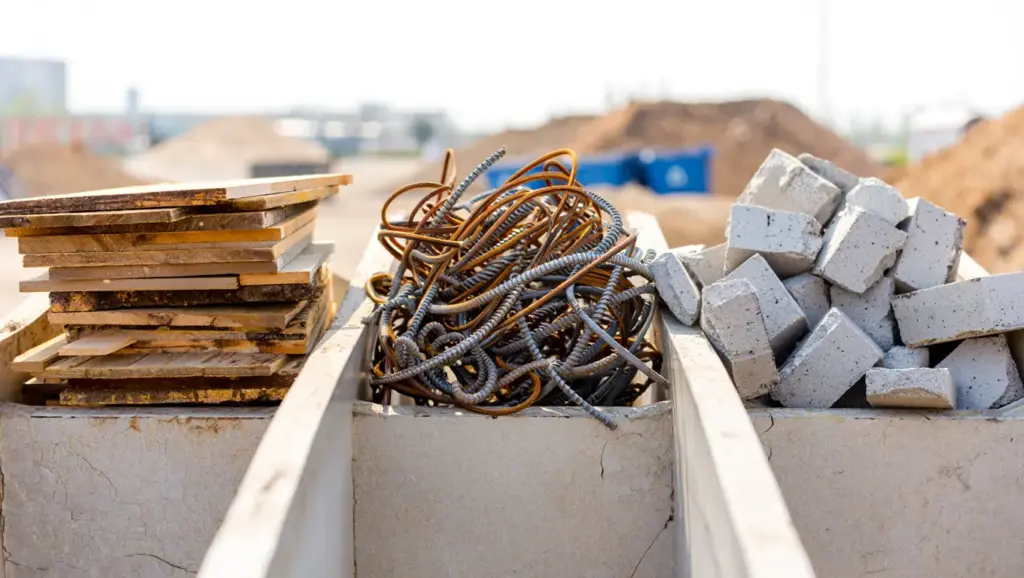
Sustainability is a major concern for residents here. Many people worry that renting a massive bin means everything goes straight to a landfill, but the reality of modern waste management is quite different. Professional haulers often sort loads at transfer stations to recover recyclable materials like metal, wood, and concrete.
According to the U.S. Environmental Protection Agency’s estimates for 2018, the United States generated about 600 million tons of construction and demolition (C&D) debris—more than twice the amount of municipal solid waste (MSW)—making specialized debris handling and diversion planning a core part of responsible renovation projects. (2018, U.S. Environmental Protection Agency)
Sorting at the Source
Clients can contribute to sustainability by asking providers about “clean load” options. For example, if a project involves tearing up a concrete driveway, renting a container exclusively for masonry allows that material to be crushed and reused as road base, rather than occupying landfill space.
Reducing Carbon Footprint
While it seems counterintuitive, one large truck picking up a 30-yard bin generates fewer carbon emissions than a homeowner making fifteen separate trips to the dump in a pickup truck. Consolidating the rubbish into a single haul is the greener choice.
Cost-Effectiveness and Efficiency
Many DIYers assume that hauling their own trash is cheaper. However, when one calculates fuel, gate fees at the landfill (which can range significantly), and the wear and tear on a personal vehicle, the “savings” often evaporate. The hidden tax of DIY waste management is the opportunity cost of labor.
The “hidden tax” of DIY waste management is the opportunity cost of your labor; every hour spent driving a truck to the dump is an hour not spent building, renovating, or relaxing with family.

Dumpster Rental Services in Greeley
Greeley is expanding rapidly, and with that growth comes a surge in construction and renovation projects. Finding a Dumpster Rental Greeley service that understands the specific needs of this area is essential for both residential and commercial clients.
For a detailed, city-specific breakdown of container sizes, pricing structures, and local regulations, our complete guide to roll-off dumpster rental in Greeley walks through everything homeowners and contractors need to know before booking. The city’s mix of historic homes and new developments creates a diverse demand for waste solutions.
Overview of Greeley’s Waste Management Needs
The location requires providers to be adept at navigating both tight residential streets and larger agricultural properties. The waste generated here often includes a mix of standard household debris and organic material from large lots. Consequently, the demand for Dumpster Rental Greeley options that can handle mixed loads is higher than in more urbanized zones.
Residential vs. Agricultural Zoning
In residential zones, placement is key. Driveways in older parts of the city can be narrow. Conversely, properties on the outskirts may require rentals for clearing land or managing agricultural byproducts, which requires specific knowledge of what local landfills accept regarding organic decomposition.
Top Dumpster Rental Providers in Greeley
When searching for a Dumpster Rental Greeley provider, customers should look for companies that offer transparent pricing. The market consists of large national chains and smaller, family-owned operations.
National Chains
Large corporations often have massive inventories. If a customer needs a Dumpster Rental Greeley unit tomorrow, a national provider is more likely to have stock. However, their customer service can sometimes feel impersonal, and their pricing models may be rigid.
Local Operators
Local businesses often provide more flexible terms. They might allow a Dumpster Rental Greeley bin to stay on-site for a few extra days without an exorbitant fee. They also tend to have better relationships with local permitting offices, which can smooth out logistical bumps.
How to Choose the Right Dumpster Size
Selecting the wrong size is the most common mistake people make. A unit that is too small leads to overage charges or the need for a second rental, while a unit that is too big is money wasted on air.
Step-by-Step Guide to Estimating Volume
To ensure you get the right Dumpster Rental Greeley size, follow this estimation process:
- Categorize Your Waste: Separate your pile mentally into “bulky items” (sofas, cabinets) and “dense materials” (dirt, shingles). Bulky items take up space; dense items eat up your weight limit.
- The Pickup Truck Rule: Visualize a standard pickup truck bed. It holds roughly 2 cubic yards of waste. If your debris looks like it would take 5 truck loads, you need a 10-yard dumpster. If it looks like 10 loads, aim for a 20-yarder.
- Account for Air Gaps: Furniture and odd shapes create air pockets. A Dumpster Rental Greeley unit filled with cabinets is not as heavy as one filled with drywall, but it fills up faster. Always size up by 20% to account for inefficient packing.
- Check Dimensions: Ensure the physical dimensions of the Dumpster Rental Greeley container fit your driveway. A 20-yard bin is typically 22 feet long; measure your space before booking.
- Consult the Provider: Finally, send a photo of your pile to the Dumpster Rental Greeley company. Their dispatchers are experts at eyeballing volume.
Dumpster Rental Options in Fort Collins
Fort Collins is a hub of activity, from student housing turnovers near CSU to eco-conscious home builds. The search for Dumpster Rental Fort Collins services is often driven by the city’s strong focus on sustainability and recycling. Renters here are more likely to inquire about where their trash ends up than in other jurisdictions.
Common Uses for Dumpsters in Fort Collins
The usage patterns for Dumpster Rental Fort Collins units fluctuate with the academic calendar and the seasons. Understanding these trends helps residents plan their rentals when availability is highest.
Student Move-Out Season
In late spring and summer, the demand for Dumpster Rental Fort Collins options spikes dramatically. Landlords and property managers rush to clear out furniture and debris left behind by students. During this period, booking weeks in advance is necessary to secure a container.
Green Building Projects
The city has a reputation for green initiatives. Many contractors utilize Dumpster Rental Fort Collins services specifically for LEEDS-certified projects, where waste diversion reporting is mandatory. Providers here are often better equipped to provide weight tickets and recycling receipts.
Comparing Rental Prices and Services
Pricing for Dumpster Rental Fort Collins can vary based on proximity to the landfill and the specific type of debris.
Price Breakdown by Size
The following table illustrates average price ranges one might expect in the area. Note that these are estimates and fluctuate with fuel prices.
| Dumpster Size | Typical Use Case | Est. Price Range (7 Days) | Weight Limit |
| 10 Yard | Dirt, Concrete, Small Bath Remodel | $350 – $450 | 2 – 3 Tons |
| 15 Yard | Garage Cleanout, Roofing | $400 – $500 | 2 – 3 Tons |
| 20 Yard | Kitchen Remodel, Deck Removal | $450 – $600 | 3 – 4 Tons |
| 30 Yard | Major Addition, Whole Home Cleanout | $550 – $700 | 4 – 5 Tons |
| 40 Yard | Commercial Demolition | $650 – $850 | 5 – 6 Tons |
This data shows that upgrading from a smaller unit to a larger one is often cheaper than renting a second small unit. For a Dumpster Rental Fort Collins customer, the 20-yard option is usually the “sweet spot” for value.
Customer Reviews and Recommendations
Word of mouth is powerful in a tight-knit community like Fort Collins. When evaluating Dumpster Rental Fort Collins companies, looking at how they handle disputes over weight overages is telling.
Analyzing Critical Reviews
Smart consumers look for patterns in reviews. If multiple people complain that a Dumpster Rental Fort Collins driver damaged a driveway, that is a red flag. Conversely, praise for drivers who navigated tight alleys indicates a high level of skill. A reliable Dumpster Rental Fort Collins service will have consistent praise for punctuality—a critical factor when a construction crew is waiting to work.
Before your roll-off arrives, take two minutes to prevent the most common (and expensive) delivery problems. This video walks through choosing a safe drop-off spot, clearing vehicles and obstacles, and checking for overhead hazards like wires and low branches so the driver can place the container without a “dry run.”
Affordable Dumpster Rental in Loveland
Loveland, the “Sweetheart City,” has its own quirks regarding waste management. Residents looking for Dumpster Rental Loveland services often deal with specific HOA regulations and a slightly different pricing structure compared to its northern neighbor. Finding an affordable Dumpster Rental Loveland solution requires a bit of local knowledge.
Understanding Local Regulations and Permits
One of the biggest hurdles for Dumpster Rental Loveland customers is knowing where the bin can legally sit.
Street vs. Driveway Placement
If a homeowner can place the bin entirely on their driveway, they usually do not need a permit. However, if the Dumpster Rental Loveland unit must sit on a public street, a right-of-way permit from the City of Loveland is mandatory. This often involves a fee and a waiting period for approval.
HOA Restrictions
Many neighborhoods are governed by Homeowners Associations. An HOA might ban Dumpster Rental Loveland containers from being visible from the street for more than 48 hours, or they might restrict delivery to weekdays. Ignoring these rules can lead to fines that exceed the cost of the rental itself.
Seasonal Demand and Pricing Trends
The cost of a Dumpster Rental Loveland is not static throughout the year. Demand curves shift based on weather and construction cycles.
Publicly available Bureau of Labor Statistics data (as published via FRED) shows clear seasonal swings in Colorado’s construction employment, with activity typically higher during warmer months—one reason roll-off container availability tightens and pricing becomes less flexible during peak project season. (2025, U.S. Bureau of Labor Statistics via FRED)
The Winter Discount
During the snowy months, construction slows down. Dumpster Rental Loveland companies often have excess inventory sitting in their yards. Clever homeowners plan indoor renovations (like basement finishing) for January or February to negotiate lower rates or extended rental periods.
The Summer Rush
Conversely, trying to book a Dumpster Rental Loveland unit in July requires patience. Prices are at their peak, and delivery windows are wider. Planning ahead by at least two weeks is recommended during this season.
Tips for Getting the Best Deals
Saving money on Dumpster Rental Loveland involves more than just picking the lowest sticker price.
Negotiating Terms
Local dispatchers often have the authority to waive fees. If a project requires the bin for only three days instead of the standard seven, ask for a discount. A quick turnover is valuable to the company.
Avoiding “Dry Run” Fees
A common unexpected cost occurs when the driver arrives but cannot drop the bin because a car is blocking the driveway. To get the best deal on Dumpster Rental Loveland, ensure the site is totally clear.
The “Fill Line” isn’t a suggestion—it is a legal safety limit for the transport driver. If you pile debris above the rim, the driver can legally refuse to take the dumpster until you offload the excess.
How to Make the Most Out of Your Dumpster Rental
Once the Dumpster Rental Colorado unit arrives, the clock starts ticking. Using the space efficiently is an art form. Most people just throw things in randomly, creating “dead space” that they end up paying for.
Efficient Packing and Waste Management
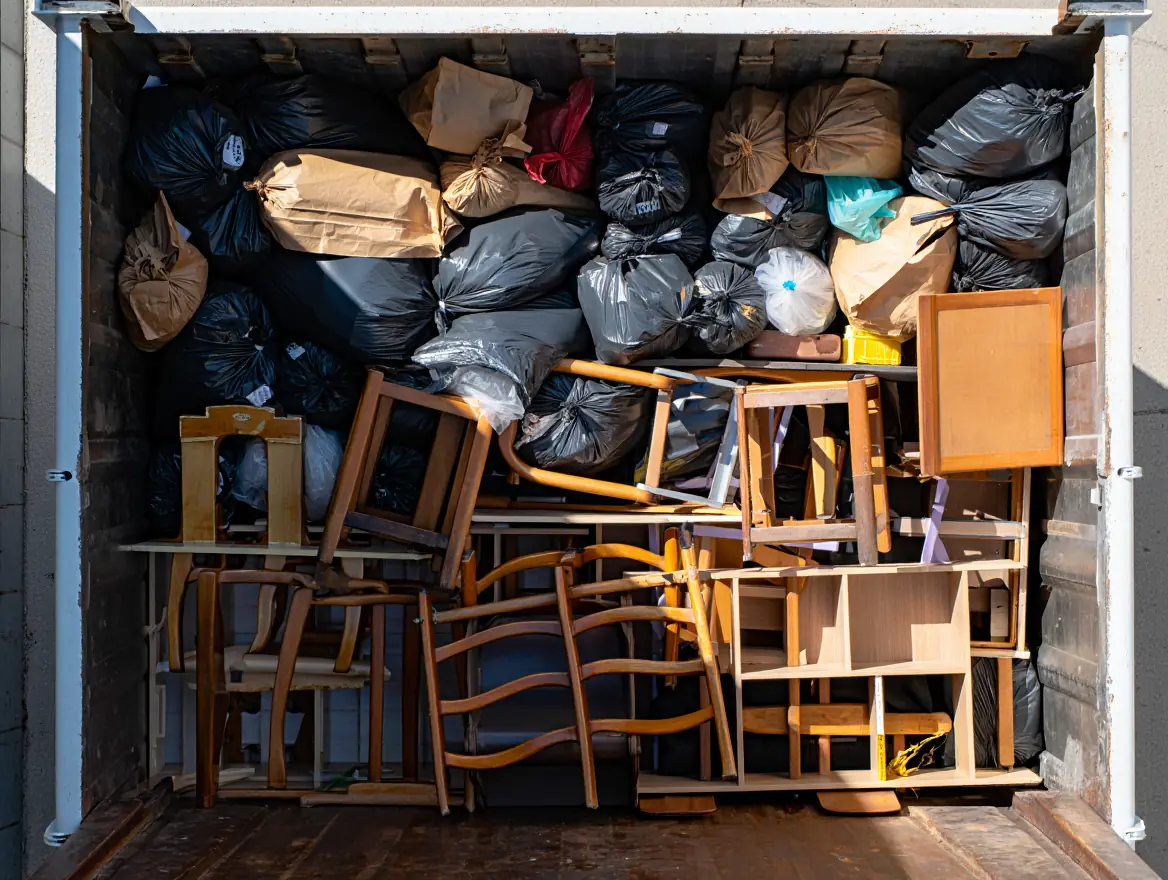
Packing a container is like playing a giant game of Tetris. The goal is to eliminate air gaps.
Strategies for Layering
- Break It Down: Never throw a box or a cabinet in whole. Flatten all cardboard and dismantle furniture. A dresser takes up 20 cubic feet; dismantled, it takes up 4.
- Flat on Bottom: Lay flat items like plywood, drywall sheets, or doors at the very bottom. This creates a solid foundation.
- Fill the Gaps: As you load bulky items into your Dumpster Rental Colorado unit, use smaller debris (bags of trash, loose tiles) to fill the voids inside and around the large objects.
- Distribute Weight: Keep the load level. Do not pile all heavy concrete at the back door; it makes the container dangerous to lift.
Safety Tips and Precautions
Safety is often overlooked until an injury occurs. A Dumpster Rental Colorado bin is a heavy industrial object, and the waste inside can be sharp or hazardous.
Protecting the Driveway
Always ask the driver to place wood planks under the wheels. This prevents the metal rollers from cracking the concrete or gouging asphalt, a common issue with heavy Dumpster Rental Colorado loads.
Hazardous Materials
Addressing safety risks in the waste stream, Amy Lestition Burke, CEO of the Solid Waste Association of North America (SWANA), stated: “The rise in lithium-ion battery fires is one of the most urgent safety issues facing the waste and recycling sector today.” (2025)
Never throw batteries, paint, tires, or asbestos into a standard rental. These require special handling.
Maximizing Rental Duration and Value
Most rental periods are 7 to 10 days. If the project finishes early, call for pickup immediately to clear the driveway. If the project runs late, call before the rental period expires.
Avoiding Overage Fees
The most expensive part of a Dumpster Rental Colorado is often the weight overage. Rain and snow add tremendous weight to absorbent materials like carpet or drywall.
Gravity is your friend, but density is your enemy; always load the heaviest materials at the bottom to stabilize the container, but never exceed the “fill line” marked on the sidewall.
Keeping rain and snow out of your dumpster can help you avoid surprise weight overage fees—especially with absorbent debris like drywall, carpet, or insulation. This video shows a practical way to cover a dumpster and secure the tarp so it stays put when the weather turns (including how to fasten it effectively).
Frequently Asked Questions About Dumpster Rental in Colorado
Navigating the specifics of Dumpster Rental Colorado can raise many questions. Here are the most common inquiries clarified.
What Can and Cannot Be Disposed Of?
Generally, you can dispose of wood, drywall, metal, furniture, and household junk. However, Dumpster Rental Colorado companies strictly prohibit hazardous waste. This includes wet paint, oil, tires, refrigerators (due to Freon), and batteries. Mixing these into a load can result in a fine or the load being rejected entirely.
How Long Can You Rent a Dumpster?
The standard rental period in the state is usually 7 days. However, Dumpster Rental Colorado providers are flexible. You can often rent for as little as 3 days or as long as a month. Extensions usually incur a daily fee, typically around $10 to $20 per day.
What Are the Hidden Costs to Watch Out For?
The base price is rarely the final price if you aren’t careful.
- Trip Fees: Charged if the driver cannot drop off or pick up due to obstructions.
- Overage Fees: Charged per ton if you exceed the weight limit.
- Contamination Fees: Charged if you put prohibited items (like tires) in the bin.
Conclusion: Choosing the Best Dumpster Rental in Colorado
Securing the right Dumpster Rental Colorado service is the unsung hero of any successful renovation or cleanup project. It transforms a chaotic mess into a managed workflow, allowing homeowners and contractors to focus on the build rather than the debris. By understanding the regional differences—whether you need a Dumpster Rental Greeley for agricultural cleanup, a Dumpster Rental Fort Collins for a green build, or a Dumpster Rental Loveland for a residential remodel—you can select the service that fits your budget and timeline.
Recap of Key Considerations
Remember to estimate your volume generously, check your local permitting laws, and pack your bin strategically to maximize space. Always prioritize safety by keeping hazardous materials out of the general waste stream. A little foresight regarding placement and weather protection can save significant money on overage fees and damage repairs.
Final Tips for a Successful Rental Experience
Before you dial the number, walk your property one last time. Visualize the truck backing in. Ensure the path is clear and your neighbors are notified if the bin will impact street parking. Treat the rental period as a strict deadline to keep your project moving forward.
Contact Information for Local Providers
While this guide provides the strategy, the execution is up to you. Research local providers, read their recent reviews, and ask the hard questions about weight limits and hidden fees before signing the contract.
Ready to start your cleanup?
Do not let the details overwhelm you. We have prepared a comprehensive “Dumpster Rental Readiness Checklist” that you can download. It covers everything from measuring your driveway to a list of prohibited items you can print and tape to the dumpster for your crew.

Have you ever found a surprising item while cleaning out a property, or had a dumpster disaster you learned from? Let us know in the comments below—your story might save someone else a headache!
Sources:
- Sustainable Management of Construction and Demolition Materials (2018, U.S. Environmental Protection Agency).
- All Employees: Construction in Colorado (COCONSN) (2025, U.S. Bureau of Labor Statistics via FRED, Federal Reserve Bank of St. Louis).
- Burke, Amy Lestition. (2025). SWANA, NWRA, and ReMA Release Draft Guide to Improve Lithium-Ion Battery Management at Materials Recovery Facilities.
- U.S. Environmental Protection Agency. (2021). An Analysis of Lithium-ion Battery Fires in Waste Management and Recycling.