Renovating a home or managing a construction site almost always generates more trash than a standard curb bin can handle, creating immediate safety hazards and stalling progress. Without a solid plan for debris removal, projects quickly spiral over budget due to fines, injuries, or inefficient hauling methods that waste hours of labor. A reliable dumpster service solves this logistics puzzle by providing a centralized receptacle for refuse, keeping the site safe and compliant with local regulations. Mastering the rental process—from size selection to understanding contract fine print—prevents hidden fees and ensures the job stays on track, and the practical checklist available for download later will help streamline every step of that booking.
Understanding Dumpster Service Basics
Most people think renting a container is as simple as ordering a pizza, but the waste industry operates on a complex logistics network involving heavy machinery, strict disposal laws, and tight schedules. Understanding what happens behind the scenes prevents common frustrations like missed deliveries or damaged driveways. It is not just about the metal box; it is about hiring a partner to manage the removal of tons of material safely and legally. When you understand the operational limits of the truck and the disposal facility, you can plan your project timeline more effectively and avoid the panic of an overflowing bin.
What is a Dumpster Service?
A dumpster service provides temporary rental of large, open-top waste containers, known in the industry as “roll-off” dumpsters. Unlike the permanent commercial bins seen behind restaurants that get emptied into a truck, these units are delivered empty and hauled away full. They are designed specifically for short-term projects involving high volumes of debris, such as roofing tear-offs, basement cleanouts, or landscape overhauls. The engagement includes the delivery of the bin, the rental period (usually a week or two), and the final hauling and disposal of the rubbish at a certified facility.
The Roll-Off Mechanism
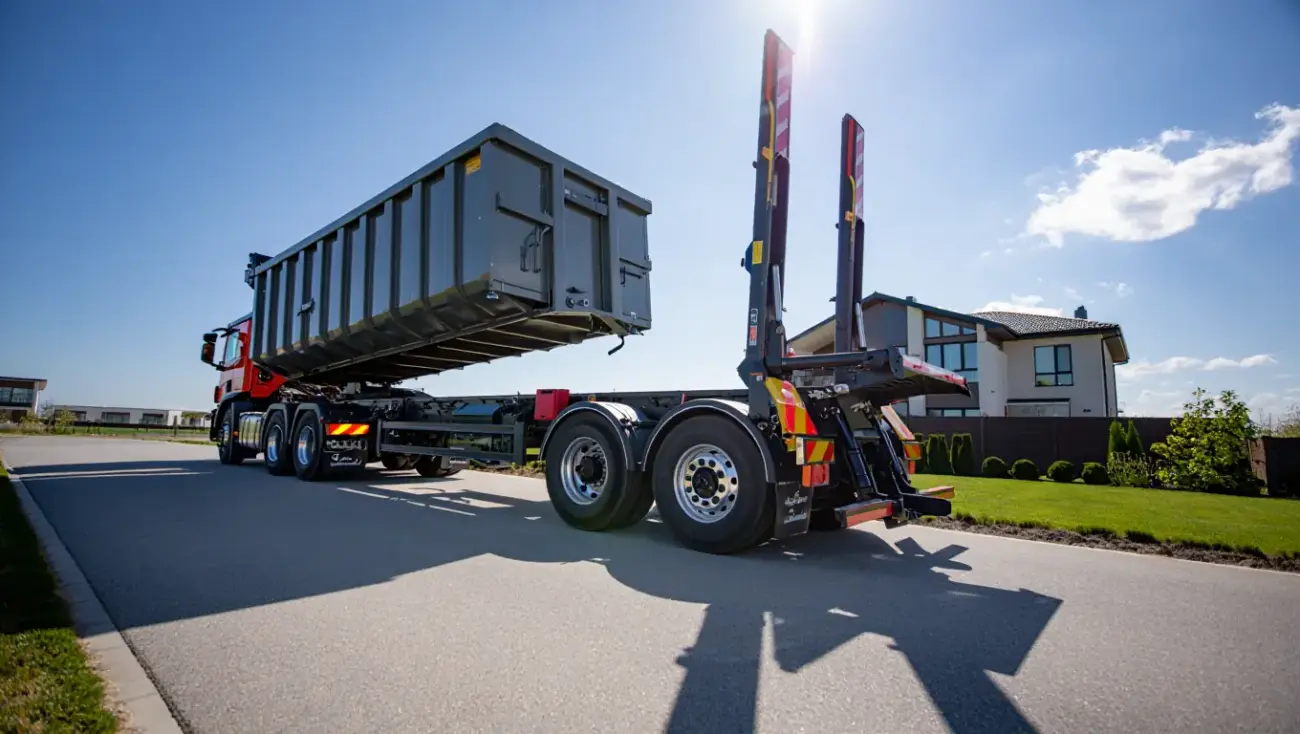
The term “roll-off” refers to how the receptacle is delivered, which is a crucial detail for site preparation. A heavy-duty truck with a hydraulic hoist system backs up to the property, raises its bed, and allows the container to slowly slide off the rear on steel wheels. This process requires significant space—typically 60 feet of linear clearance—to operate without hitting overhead power lines or tree branches.
Junk Removal vs. Rental
It is important to distinguish this from professional trash removal solutions to determine which service fits your specific needs. The latter involves a crew coming to pick up specific items and loading them for you, which is great for a few objects but expensive for volume. A rental places the container on-site, giving the user total control over the pace of work, which is usually more cost-effective for projects lasting several days or weeks.
How Dumpster Services Work
The rental process follows a linear timeline, but specific actions are required from the customer at each stage to ensure success. Missing a step, like failing to unlock a gate or blocking the drop-off zone, can result in “dry run” fees and significant delays. Knowing the lifecycle of the rental helps you coordinate with contractors and avoid downtime.
Phase 1: Assessment and Booking
The customer estimates the volume of trash, which is the most critical step as ordering the wrong size leads to cost overruns. You then contact the provider to schedule a drop-off date, usually requiring 24 to 48 hours of lead time to ensure the specific size is in stock.
Phase 2: Delivery and Placement
The operator arrives with the unit and needs a clear path and a hard surface to operate the hydraulics safely. The bin is rolled off the back of the vehicle onto the designated spot, usually a driveway or a construction pad, while the driver checks for overhead obstructions.
Phase 3: Loading Period
The customer fills the bin at their own pace, ensuring that debris is spread evenly to maximize space. Most rentals come with a predetermined timeframe, typically ranging from 7 to 14 days, during which the box remains on your property.
Phase 4: Pick-up and Disposal
Once full or the rental period expires, the truck returns to retrieve the container. The hauler covers the load with a tarp to prevent debris from flying out during transport and drives it to a transfer station, recycling center, or landfill for processing.
Seeing a real delivery makes the space requirements obvious—especially truck clearance, overhead obstacles, and driveway protection. Watch for how the driver positions the truck and why a clear rollout path matters before the container touches down.
Benefits of Using Dumpster Services
Using a professional provider offers operational efficiency that pickup trucks or junk removal crews cannot match, especially for larger renovations. It fundamentally changes the safety profile of a work zone and ensures that waste is handled responsibly.
Safety and Job Site Hygiene
Debris piles are dangerous, as nails, sharp metal, and tripping hazards can easily cause injuries to family members or workers. A central containment unit keeps the site clean, reducing liability and improving worker safety by maintaining clear walking paths.
Compliance and Legal Disposal
Professional haulers know the regulations and ensure that hazardous materials are not mixed with general waste. They also ensure that recyclable materials are diverted from landfills where possible, keeping the homeowner compliant with local environmental laws.
A clean job site is not just about aesthetics; it is the primary factor in preventing construction-related injuries.
Factors Influencing Dumpster Service Cost
The price on the website is rarely the final number on the invoice, as waste management pricing is dynamic and fluctuates based on fuel prices, local landfill fees (tipping fees), and the specific type of debris being tossed. To budget accurately, one must understand the components that make up the total bill, including weight limits and potential penalties. A transparent dumpster service cost breakdown helps you compare quotes apples-to-apples and avoid sticker shock.
Size and Type of Dumpster
The physical volume of the container is the primary cost driver, but weight capacity is equally important and often overlooked. Choosing the right size involves balancing the footprint of the bin with the volume of the trash.
- 10-Yard Dumpster: Good for small bathroom remodels or garage cleanouts, holding about three pickup truck loads.
- 20-Yard Dumpster: The standard for larger room renovations, accommodating flooring removal and deck demolitions.
- 30-Yard Dumpster: Used for whole-home cleanouts or new construction projects where bulky items are common.
- 40-Yard Dumpster: Reserved for industrial use and large-scale demolition where volume is the main concern.
Duration of Rental
Most companies offer a base rental period, and extending the rental beyond this window incurs a daily fee that can add up quickly. Understanding the time constraints ensures you work efficiently without incurring unnecessary charges.
Standard Rental Windows
Quotes typically cover 7 to 10 days, with the meter starting the moment the bin is dropped on your property. This period is usually sufficient for most DIY projects if the work is planned correctly.
Daily Extension Fees
Keeping the bin longer often costs $10 to $30 per day, depending on demand and local availability. It is usually cheaper to negotiate a longer rental upfront than to pay day-by-day extensions after the contract expires.
Additional Fees and Permits
The base quote is rarely the final bill if the user is not careful, as various surcharges can apply based on usage and location. Being aware of these potential add-ons allows you to ask the right questions during the booking call.
1. Calculate Cubic Yardage
Measure the debris piles visually or use online calculators to estimate the volume. Think of a cubic yard as roughly the volume of a standard kitchen stove to visualize the total amount.
2. Identify Material Weight
Drywall is light, but roofing shingles are incredibly heavy and dense. If the load is compact, prioritize weight capacity over volume to avoid overage charges.
3. Buffer the Budget
Add 15% to the estimated dumpster service cost to account for potential weight overages. This safety net prevents budget issues if the debris turns out to be heavier than expected.
4. Check Permit Requirements
If the bin must go on the street, call the city clerk to verify rules. A permit might cost an extra $50-$100 and takes time to process.
According to the U.S. EPA’s “Advancing Sustainable Materials Management: 2018 Fact Sheet,” the United States generated about 600 million tons of construction and demolition debris in 2018—more than twice the amount of municipal solid waste. (2020, U.S. Environmental Protection Agency)
Never assume the initial quote covers heavy materials; always clarify the weight limit in writing before delivery.

Finding a Dumpster Service Near You
Waste hauling is a local business, where regulations, truck sizes, and pricing structures change the moment you cross state lines or city limits. Finding the right provider requires looking at local capabilities rather than just national brand recognition, as local nuances significantly impact service quality. Whether you need a dumpster service in a dense city or a rural outpost, geography dictates the terms.
Dumpster Service Near California
Residents and contractors looking for dumpster service near California must navigate some of the strictest environmental laws in the country. California regulations often require a certain percentage of construction and demolition debris to be diverted from landfills to meet state recycling goals.
Compliance in Major CA Cities
When booking a dumpster service near California, specifically in cities like Los Angeles or San Francisco, verify if the hauler is “permitted.” Many municipalities have exclusive franchise agreements, and using an unpermitted company can result in fines for the homeowner.
High Emission Standards
The dumpster service near California usually charges a premium due to high local tipping fees and strict emissions standards for trucks. This often means the base rate is higher than the national average, but the recycling rates are much better.
Strict Street Permits
Space is at a premium in coastal cities. Finding a dumpster service near California often involves navigating complex street cleaning schedules and narrow alleyways. If a bin is left on the street during a sweeping day, the resulting fine is often passed directly to the customer.
Dumpster Service Near Texas
Conversely, finding a dumpster service near Texas often involves dealing with fewer zoning restrictions but higher logistical hurdles due to distance and climate. The sheer size of the state means trucks travel longer distances, impacting fuel costs.
Texas Waste Considerations
When searching for a dumpster service near Texas, checking the hauler’s policy on heat-sensitive items is smart. Intense summer heat can cause chemicals or organic waste to react if left in a metal box for too long, creating odors and hazards.
Distance and Fuel
Availability of large 40-yard containers is generally higher when looking for a dumpster service near Texas, but fuel surcharges are common for rural deliveries. If you are outside a major metro area like Houston or Dallas, expect to pay for the driver’s time.
HOA Restrictions
Texas has a high density of Homeowners Associations (HOAs). A dumpster service near Texas is often familiar with these rules, but the homeowner is ultimately responsible for ensuring the bin is not visible from the street for longer than allowed.
Comparing Local Dumpster Services
The market consists of large national chains and small local operators, and choosing between them depends on the project’s specific needs. Below is a comparison to help you decide which type of dumpster service near California or Texas suits your project best.
| Feature | National Waste Brokers | Local Independent Haulers |
| Availability | High availability, access to large fleets. | Variable, may have limited stock during peak seasons. |
| Pricing Structure | Often standardized, but may include broker fees. | More room for negotiation; transparent flat rates. |
| Customer Service | Call centers, standardized scripts. | Direct contact with dispatch or the owner. |
| Flexibility | Rigid policies on pickup times. | Often willing to accommodate last-minute requests. |
| Local Knowledge | Limited knowledge of specific street bylaws. | High knowledge of local permits and alleyway navigation. |
The table above illustrates that while national brokers offer consistency, local haulers often provide better value and communication. A local provider is more likely to answer the phone on a Saturday if a dumpster service near California or Texas is needed urgently.
Price isn’t the only variable—responsiveness, pickup reliability, and fee transparency usually matter more once the bin is on your property. This short guide walks through practical questions to ask so you can avoid miscommunication and surprise charges.
Local independent haulers often care more about your driveway than national chains because their reputation depends on the community.
How to Choose the Right Dumpster Service
Selecting a provider involves more than just finding the lowest number on a price tag; it requires vetting reliability and transparency to ensure the project runs smoothly. A low price is meaningless if the service is unreliable or if the final invoice is loaded with surprise fees that blow the budget. The dumpster service you choose acts as a partner in your project, so their reliability directly impacts your timeline.
Evaluating Customer Reviews
Reviews are the first line of defense against bad service, but one must look for specific patterns rather than the star rating alone. Reading the text of the feedback reveals the operational strengths and weaknesses of the company.
Identifying Patterns
Timeliness
Testimonials mentioning prompt delivery are gold in this industry. A late bin can stall a whole construction crew, costing you money in wasted labor, so prioritize companies known for punctuality.
Assessing Service Reliability
Reliability can be tested before booking by simply calling the provider and gauging their responsiveness. The initial phone call is a perfect litmus test for the company’s operational standards and customer care.
The Phone Test
If the phone rings ten times or goes to a generic voicemail during business hours, that is a red flag. A reliable dumpster service will have a dispatcher who answers promptly and asks specific questions about your needs.
Dispatch Knowledge
A good dispatcher will ask about what you are throwing away to prevent weight overages. They act as consultants, helping you save money by recommending the right size for your specific debris type.
Understanding Contract Terms
The contract protects the provider, but the customer must read the fine print to avoid liability. Understanding the terms of service prevents disputes later when the final invoice arrives.
- Automatic Extensions: Some contracts automatically renew the rental period for another week if the customer does not call to cancel, leading to unexpected charges.
- Damage Waivers: Does the company accept liability if their heavy truck cracks the concrete driveway? Most contracts waive this, putting the risk on the homeowner.
- Contamination Fees: What is the penalty if a neighbor throws a car battery into the bin? These fees can be steep, so knowing the policy is essential.
- Weight Overage Rates: Check the specific cost per ton for going over the limit. This rate should be clearly stated in the agreement.
- Cancellation Policy: Life happens; verify if you can cancel the delivery without a fee if you give 24 hours’ notice.
Better Business Bureau complaint narratives for dumpster-rental providers frequently describe billing disputes tied to weight-limit overages and delayed post-haul charges, reinforcing why customers should confirm tonnage limits and overage rates in writing before delivery. (2025, Better Business Bureau)
A verbal agreement on price is worthless; always demand an itemized email quote before giving a credit card number.
Tips for Efficient Dumpster Usage
Once the dumpster arrives, how it is used determines the final value of the rental, as inefficient loading leads to wasted space and potential overages. Loading a dumpster effectively is a skill that saves money by ensuring you fit everything into one load. A well-packed bin prevents the need for a second dumpster service cost, which effectively doubles your waste budget.
Maximizing Space in Your Dumpster
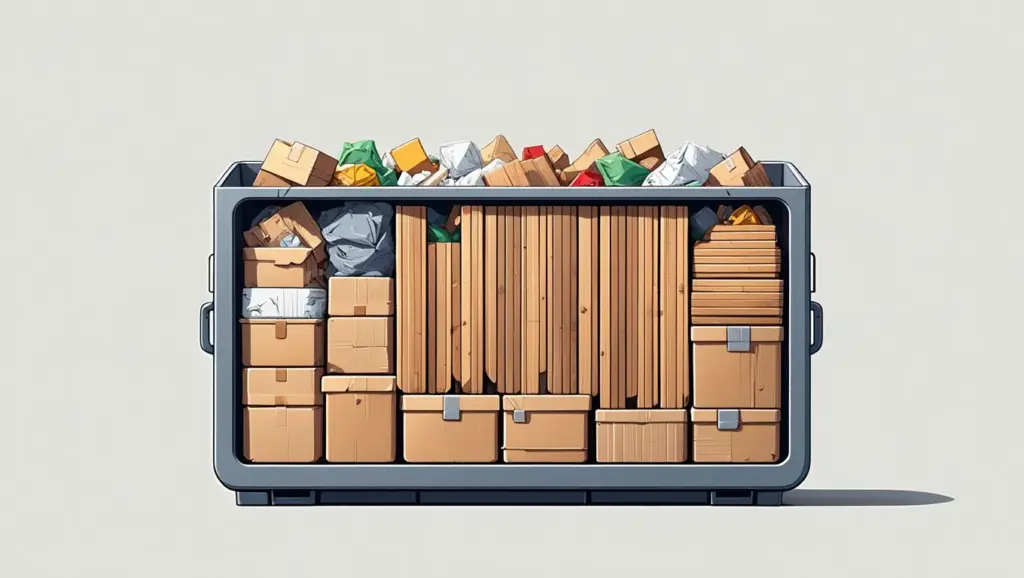
Think of loading a dumpster like a game of Tetris, where strategic placement of debris can increase capacity by 20% to 30%. Taking the time to organize the load is far cheaper than paying for a second container.
Break Down Everything
Never throw a whole cabinet, table, or a cardboard box into the bin without disassembling it. Smash furniture with a sledgehammer, flatten all boxes, and cut drywall into flat squares to ensure they lie flat.
Load from Front to Back
Most roll-off dumpsters have a swinging door at the rear, which should be utilized. Open the door and walk the heavy items in, stacking them neatly against the front wall to eliminate air pockets and create a solid base.
Fill the Gaps
Use smaller debris to fill the voids between larger items. If there is an old sofa in the bin, fill the space around it with bags of trash or loose tiles before stacking more on top.
What Not to Throw in a Dumpster
Local regulations and landfill bans strictly dictate what is forbidden, and putting these items in the bin will result in significant fines. The dumpster service cost increases dramatically if the load is rejected at the landfill due to contamination.
Hazardous Waste
This category includes paint, motor oil, asbestos, pesticides, and medical waste. These items can leak and contaminate the soil at the landfill, leading to severe environmental penalties.
Electronics
Refrigerators (which contain Freon), televisions, computers, and monitors are classified as E-waste. They must be recycled separately and cannot be mixed with general construction debris.
Tires and Batteries
Tires trap methane gas and can “float” to the surface of a landfill over time, damaging the liner. Car batteries and lithium-ion batteries are major fire hazards and are strictly prohibited in all rentals.
Prohibited items are one of the fastest ways to trigger contamination fees or a rejected load at the landfill. This quick visual list helps renters spot common “gotchas” like batteries, liquids, and hazardous chemicals before they end up in the bin.
Environmentally Friendly Disposal Practices
Responsible usage involves sorting materials to reduce the environmental footprint of your project. If a project involves a lot of metal or clean cardboard, it might be free to recycle those materials separately.
Donation vs. Disposal
Before tossing furniture or fixtures, consider if they are usable for someone else. Habitat for Humanity and other charities often accept building materials, reducing the load weight and providing a tax deduction.
Source Separation
If the project involves concrete or dirt, ask for a “clean fill” dumpster. If these heavy materials are kept separate from trash, the disposal cost is significantly lower because the material can be crushed and reused.
“Local governments have several options that are preferable to dropping curbside recycling programs.” — David Biderman, Executive Director and CEO, Solid Waste Association of North America (SWANA), 2019.
Air is the most expensive thing you can put in a dumpster; break everything down to eliminate voids.
Common Misconceptions About Dumpster Services
Myths about waste management often lead to poor decisions and unnecessary expenses for homeowners. Correcting these misunderstandings is crucial for anyone planning a major project, as false beliefs often result in a higher dumpster service cost. Being informed helps you avoid the common pitfalls that trap first-time renters.
Misunderstanding Dumpster Sizes
Many people believe a “20-yard dumpster” is 20 yards long, leading to placement issues. In reality, the “yard” refers to cubic yards of volume, not linear length.
Volume vs. Length
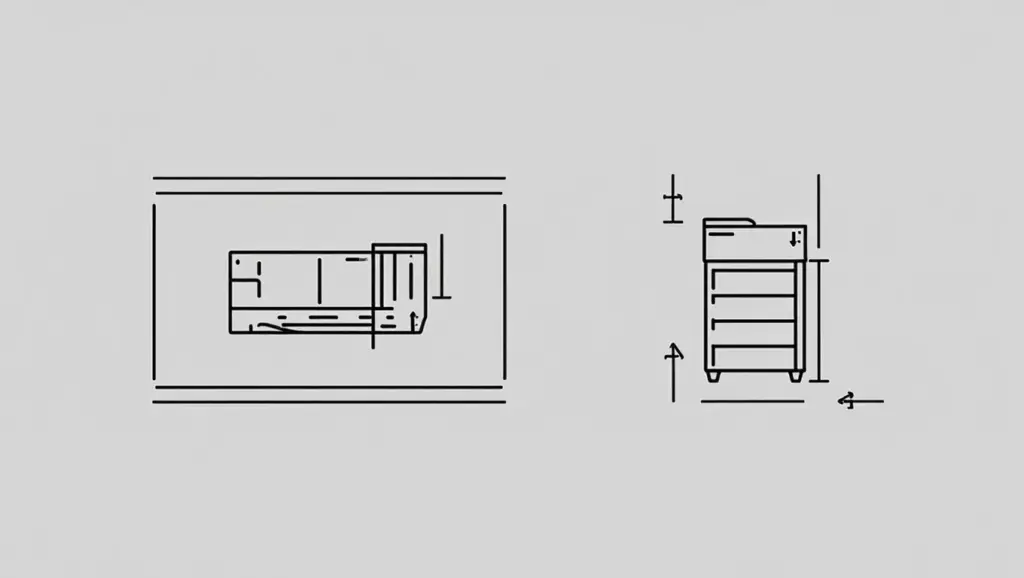
A 20-yard bin is typically only 22 feet long but has higher walls than a 10-yard bin. Understanding the dimensions helps you measure your driveway accurately to ensure the bin fits without blocking the sidewalk.
The “Looks Big Enough” Trap
A container looks huge when empty, but furniture and drywall fill it instantly. When in doubt, sizing up is almost always cheaper than paying for a haul-off and a return delivery for a second bin.
Confusion About Cost Structure
A prevalent myth is that the dumpster service cost is a flat fee regardless of what goes inside. While the rental fee covers the box and the truck, the disposal fee is based on weight, which varies by load.
The Rain Factor
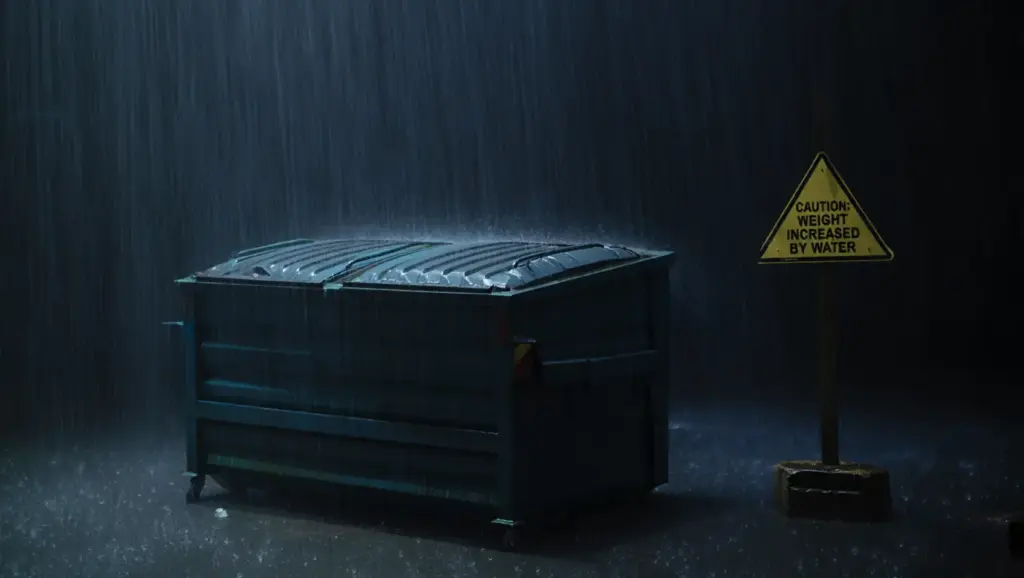
If rain soaks a load of carpet or upholstery, the weight can double, leading to surprise overage charges. Covering the bin with a tarp during storms is a financial necessity, not just a courtesy.
Variable Tipping Fees
Landfills charge by the ton, and these rates change. If the dumpster service cost seems low, check if the weight limit is artificially low to compensate.
Beliefs About Environmental Impact
Some assume that everything in a dumpster goes straight to a landfill hole and is buried forever. In modern waste management, loads are often taken to Material Recovery Facilities (MRFs) where the waste is sorted.
Sorting Facilities
At an MRF, the waste is dumped on a floor and sorted by machines and people. Wood, metal, and concrete are often extracted for recycling, reducing the overall landfill impact.
Recycling Rates
However, this varies by provider and location. Some haulers take everything to the landfill, while others prioritize diversion. Ask your provider about their specific disposal practices.
The U.S. EPA reports that in 2018, about 455 million tons of construction and demolition debris were directed to “next use” (reuse/recycling), while about 144 million tons were landfilled—showing diversion can be significant but depends on keeping materials clean and separable. (2020, U.S. Environmental Protection Agency)
Choosing a smaller dumpster to save money usually costs more in the long run when a second delivery becomes necessary.
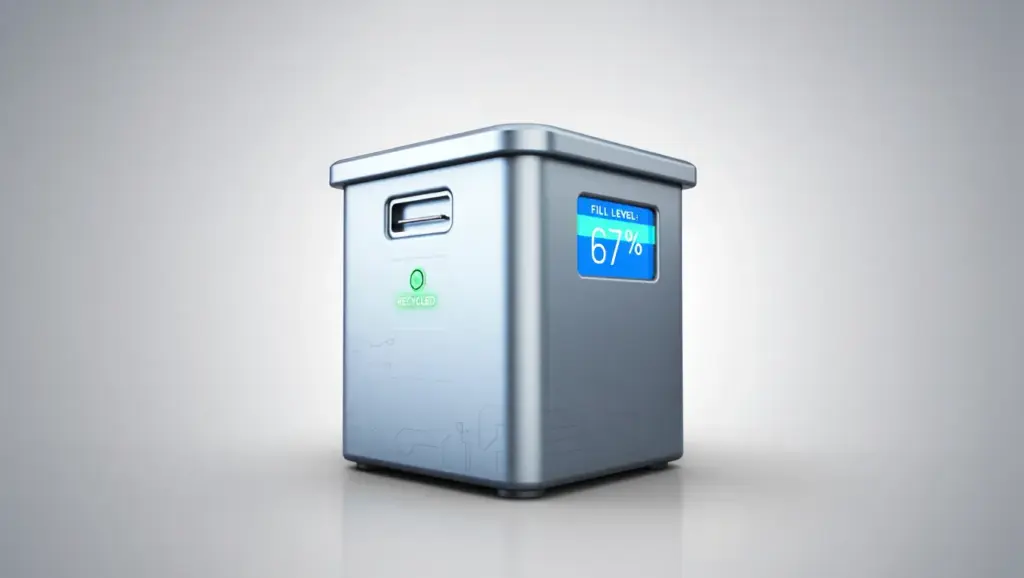
Future Trends in the Dumpster Service Industry
The waste industry is undergoing a technological transformation, moving away from manual tracking to digital efficiency. The image of the dirty garbage truck is being replaced by data-driven logistics and smart hardware. These changes are making the dumpster service more transparent and efficient for the end user, potentially lowering costs over time.
Innovations in Waste Management
Smart sensors are entering the market, changing how companies manage their fleets. These devices, attached to dumpsters, monitor fill levels in real-time.
Fill-Level Sensors
This technology prevents overflowing bins and allows the dumpster service to schedule pickups exactly when needed. Instead of a rigid weekly schedule, the truck comes only when the bin is full, saving fuel.
Camera-Based Load Analysis
New AI cameras inside hoppers can identify prohibited items as they are dumped. This technology alerts the customer instantly if they throw in a car battery, preventing contamination fees later.
Growing Demand for Eco-Friendly Services
Consumers are demanding transparency regarding where their trash goes. They want to know that their project isn’t just adding to the local landfill.
Diversion Reports
Green-certified dumpster service providers are emerging, offering diversion reports that certify how much of the project’s waste was recycled versus landfilled. This data is valuable for eco-conscious homeowners.
LEED Certification
This is particularly relevant for those seeking a dumpster service near California, where LEED certification for buildings requires detailed waste tracking. Haulers are adapting to provide the necessary documentation to contractors.
Technological Advancements in Dumpster Services
Automated routing software helps drivers avoid traffic and reduce fuel consumption. Furthermore, platforms are being developed that function like “Uber for waste,” connecting customers with available local drivers instantly.
Dynamic Pricing Models
These platforms could potentially drive down the dumpster service cost by filling empty slots in a driver’s schedule. If a driver is already in your neighborhood, you might get a discounted rate for a quick pickup.
Mobile Booking Apps
The industry is moving toward app-based booking, allowing customers to order a swap or pickup with a single click. This eliminates the need for phone tag and streamlines the customer experience.
Recent market forecasting projects the global smart waste management market to expand at roughly a mid-teens compound annual growth rate in the coming years, with growth driven by IoT sensing and data-driven collection routing. (2025, Mordor Intelligence)
AI-based sorting systems show why “post-collection sorting” helps—but also why contamination still matters. Watch how computer vision and robotic pickers identify materials at speed, and where limits remain when items are wet, broken, or mixed.
The dumpster of the future will tell you when it is full and exactly what percentage of your debris will be recycled.
FAQ
How much does a typical dumpster rental cost?
Prices vary wildly by location and debris type. Generally, a dumpster service cost ranges between $300 and $600 for a standard 20-yard container. However, heavy materials or high cost-of-living areas like San Francisco can push this price significantly higher due to disposal taxes.
Can I put the dumpster on the street in front of my house?
Yes, but it usually requires a permit from the city. If searching for a dumpster service near California or other regulated states, the permit might take a few days to process. Always check with the local public works department before delivery to avoid fines.
What happens if I exceed the weight limit?
The dumpster service will charge a pro-rated overage fee. This is often calculated per ton. For example, if the limit is 3 tons and the load is 4 tons, the customer pays an extra fee for that specific ton, which can range from $50 to $100 depending on the landfill rates.
How high can I load the dumpster?
Debris cannot exceed the top rail of the container (“water level”). If items stick up above the rim, the driver cannot tarp the load safely. In this case, the dumpster service will refuse to pick it up until the customer removes the excess, often charging a trip fee for the delay.
Is a dumpster service near Texas cheaper than in other states?
Generally, yes. Landfill tipping fees in Texas are historically lower than the national average due to land availability. Finding a dumpster service near Texas usually results in lower base rates compared to the Northeast or West Coast, though distance fees may apply in rural areas.
Conclusion
Securing the right dumpster service is a pivotal step in any successful project. It safeguards property, ensures compliance with local laws, and provides the peace of mind that comes with a clean job site. Whether the project requires a dumpster service near California, a dumpster service near Texas, or anywhere in between, the key lies in accurate estimation and clear communication with the provider. By understanding the dumpster service cost structure and avoiding common loading mistakes, anyone can manage waste efficiently without breaking the budget. Take the time to measure the debris, ask about hidden fees, and prepare the site properly before the truck arrives.
For those ready to start their project, proper preparation prevents costly delays. To assist in this process, a comprehensive, downloadable checklist is available. This document consolidates the vetting questions, prohibited items, and site preparation steps into a single, easy-to-use format to ensure nothing is overlooked during the rental process.

Have you ever been hit with a surprise fee after renting a dumpster? Share your experience in the comments below to help others avoid the same trap.
Sources
- Study: Advancing Sustainable Materials Management: 2018 Fact Sheet (2020, U.S. Environmental Protection Agency)
- Study/Data: Sustainable Management of Construction and Demolition Materials (2020, U.S. Environmental Protection Agency)
- Consumer complaints evidence: Budget Dumpster | BBB Complaints (2025, Better Business Bureau)
- Market forecast: Smart Waste Management Market – Growth, Trends, and Forecasts (2025, Mordor Intelligence)
- Quote source: David Biderman (2019), New Report Provides Options for Curbside Recycling